New images
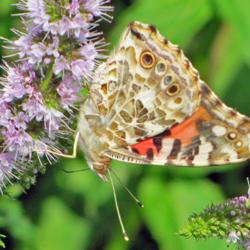
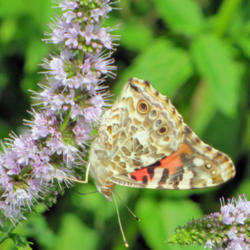
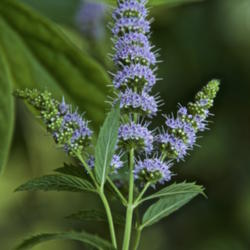
Mint (Mentha longifolia subsp. hymalaiensis),
by KAMasud
|
Mint (Mentha longifolia subsp. hymalaiensis),
by KAMasud
|
Chocolate Mint (Mentha x piperita 'Chocolate'),
by TexasPlumeria87
|
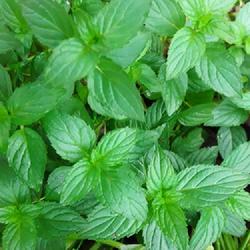
Mint (Mentha x piperita),
by KAMasud
|
Mint (Mentha x piperita),
by KAMasud
|
Spearmint (Mentha spicata),
by wildflowers
|
Chocolate Mint (Mentha x piperita 'Chocolate'),
by TexasPlumeria87
|
Peppermint (Mentha x piperita 'Swiss'),
by Paul2032
|
Apple Mint (Mentha suaveolens),
by robertduval14
|
Spearmint (Mentha spicata),
by robertduval14
|
Spearmint (Mentha spicata),
by robertduval14
|
Spearmint (Mentha spicata),
by wildflowers
|
Spearmint (Mentha spicata),
by chelle
|
Spearmint (Mentha spicata),
by chelle
|
Spearmint (Mentha spicata),
by chelle
|
Spearmint (Mentha spicata),
by chelle
|
Horsemint (Mentha longifolia),
by SongofJoy
|
Chocolate Mint (Mentha x piperita 'Chocolate'),
by SongofJoy
|
Mint (Mentha x piperita),
by SongofJoy
|
Mint (Mentha x piperita),
by SongofJoy
|
|
New comments
Talking about Mint (Mentha longifolia subsp. hymalaiensis), KAMasud wrote:Edible, famine food. |
Talking about Apple Mint (Mentha suaveolens), robertduval14 wrote:Like all mints, tends to be invasive. We grow ours in large containers and cut back flowers before any seed drops. |
Talking about Spearmint (Mentha spicata), robertduval14 wrote:Great in teas. If you plant it outside, watch out...it can spread quite rapidly. |
Talking about Wild mint (Mentha arvensis), SongofJoy wrote:This is the only native species of Mentha found in the US. |
Talking about Aquatic Mint (Mentha aquatica), SongofJoy wrote:This plant hybridizes with Mentha spicata (Spearmint) to produce Mentha × piperita (Peppermint), a sterile hybrid; it hybrizes with Mentha suaveolens (Apple Mint) to produce Mentha × suavis; with Mentha arvensis (Corn Mint) to produce Mentha × verticillata; and with both M. arvensis and M. spicata to give the tri-species hybrid Mentha × smithiana. |
Talking about Pennyroyal (Mentha pulegium), Mindy03 wrote:Valuable source of nectar for honey bees. |
Talking about Peppermint (Mentha x piperita 'Swiss'), SongofJoy wrote:Harvesting of mint leaves can be done any time. Fresh mint leaves can be stored up to a couple of days in plastic bags in the refrigerator. Fresh mint leaves can also be frozen in ice cube trays. Dried mint leaves should be stored in an airtight container placed in a cool, dark, dry area.
Mints are used as food plants by the larvae of some Lepidoptera species including Buff Ermine.
Mints are said to make good companion plants, repelling pest insects and attracting beneficial ones. Mint oil is also used as an environmentally-friendly insecticide and is reported to kill some common pests like wasps, hornets, ants, and cockroaches.
Mints are susceptible to whitefly and aphids.
|
Talking about Common Mint (Mentha arvensis 'Banana'), SongofJoy wrote:Harvesting of mint leaves can be done any time. Fresh mint leaves can be stored up to a couple of days in plastic bags in the refrigerator. Fresh mint leaves can also be frozen in ice cube trays. Dried mint leaves should be stored in an airtight container placed in a cool, dark, dry area.
Mints are used as food plants by the larvae of some Lepidoptera species including Buff Ermine.
Mints are said to make good companion plants, repelling pest insects and attracting beneficial ones. Mint oil is also used as an environmentally-friendly insecticide and is reported to kill some common pests like wasps, hornets, ants, and cockroaches.
Mints are susceptible to whitefly and aphids.
|
Talking about Mint (Mentha x piperita), SongofJoy wrote:Harvesting of mint leaves can be done any time. Fresh mint leaves can be stored up to a couple of days in plastic bags in the refrigerator. Fresh mint leaves can also be frozen in ice cube trays. Dried mint leaves should be stored in an airtight container placed in a cool, dark, dry area.
Mints are used as food plants by the larvae of some Lepidoptera species including Buff Ermine.
Mints are said to make good companion plants, repelling pest insects and attracting beneficial ones. Mint oil is also used as an environmentally-friendly insecticide and is reported to kill some common pests like wasps, hornets, ants, and cockroaches.
Mints are susceptible to whitefly and aphids.
|
Talking about Pear-Scented Mint (Mentha 'Sweet Pear'), SongofJoy wrote:Harvesting of mint leaves can be done any time. Fresh mint leaves can be stored up to a couple of days in plastic bags in the refrigerator. Fresh mint leaves can also be frozen in ice cube trays. Dried mint leaves should be stored in an airtight container placed in a cool, dark, dry area.
Mints are used as food plants by the larvae of some Lepidoptera species including Buff Ermine.
Mints are said to make good companion plants, repelling pest insects and attracting beneficial ones. Mint oil is also used as an environmentally-friendly insecticide and is reported to kill some common pests like wasps, hornets, ants, and cockroaches.
Mints are susceptible to whitefly and aphids.
|
Talking about Peppermint (Mentha x piperita 'Lavender'), SongofJoy wrote:Harvesting of mint leaves can be done any time. Fresh mint leaves can be stored up to a couple of days in plastic bags in the refrigerator. Fresh mint leaves can also be frozen in ice cube trays. Dried mint leaves should be stored in an airtight container placed in a cool, dark, dry area.
Mints are used as food plants by the larvae of some Lepidoptera species including Buff Ermine.
Mints are said to make good companion plants, repelling pest insects and attracting beneficial ones. Mint oil is also used as an environmentally-friendly insecticide and is reported to kill some common pests like wasps, hornets, ants, and cockroaches.
Mints are susceptible to whitefly and aphids.
|
Talking about Mint (Mentha 'Margarita'), SongofJoy wrote:Harvesting of mint leaves can be done any time. Fresh mint leaves can be stored up to a couple of days in plastic bags in the refrigerator. Fresh mint leaves can also be frozen in ice cube trays. Dried mint leaves should be stored in an airtight container placed in a cool, dark, dry area.
Mints are used as food plants by the larvae of some Lepidoptera species including Buff Ermine.
Mints are said to make good companion plants, repelling pest insects and attracting beneficial ones. Mint oil is also used as an environmentally-friendly insecticide and is reported to kill some common pests like wasps, hornets, ants, and cockroaches.
Mints are susceptible to whitefly and aphids.
|
Talking about Mint (Mentha x piperita 'Eau-de-Cologne'), SongofJoy wrote:Harvesting of mint leaves can be done any time. Fresh mint leaves can be stored up to a couple of days in plastic bags in the refrigerator. Fresh mint leaves can also be frozen in ice cube trays. Dried mint leaves should be stored in an airtight container placed in a cool, dark, dry area.
Mints are used as food plants by the larvae of some Lepidoptera species including Buff Ermine.
Mints are said to make good companion plants, repelling pest insects and attracting beneficial ones. Mint oil is also used as an environmentally-friendly insecticide and is reported to kill some common pests like wasps, hornets, ants, and cockroaches.
Mints are susceptible to whitefly and aphids.
|
Talking about Orange Mint (Mentha x piperita 'Orange'), SongofJoy wrote:Harvesting of mint leaves can be done any time. Fresh mint leaves can be stored up to a couple of days in plastic bags in the refrigerator. Fresh mint leaves can also be frozen in ice cube trays. Dried mint leaves should be stored in an airtight container placed in a cool, dark, dry area.
Mints are used as food plants by the larvae of some Lepidoptera species including Buff Ermine.
Mints are said to make good companion plants, repelling pest insects and attracting beneficial ones. Mint oil is also used as an environmentally-friendly insecticide and is reported to kill some common pests like wasps, hornets, ants, and cockroaches.
Mints are susceptible to whitefly and aphids.
|
Talking about Grapefruit Mint (Mentha x piperita 'Grapefruit'), SongofJoy wrote:Harvesting of mint leaves can be done any time. Fresh mint leaves can be stored up to a couple of days in plastic bags in the refrigerator. Fresh mint leaves can also be frozen in ice cube trays. Dried mint leaves should be stored in an airtight container placed in a cool, dark, dry area.
Mints are used as food plants by the larvae of some Lepidoptera species including Buff Ermine.
Mints are said to make good companion plants, repelling pest insects and attracting beneficial ones. Mint oil is also used as an environmentally-friendly insecticide and is reported to kill some common pests like wasps, hornets, ants, and cockroaches.
Mints are susceptible to whitefly and aphids.
|
Talking about Hillary's Sweet Lemon Mint (Mentha 'Hillary's Sweet Lemon'), SongofJoy wrote:Harvesting of mint leaves can be done any time. Fresh mint leaves can be stored up to a couple of days in plastic bags in the refrigerator. Fresh mint leaves can also be frozen in ice cube trays. Dried mint leaves should be stored in an airtight container placed in a cool, dark, dry area.
Mints are used as food plants by the larvae of some Lepidoptera species including Buff Ermine.
Mints are said to make good companion plants, repelling pest insects and attracting beneficial ones. Mint oil is also used as an environmentally-friendly insecticide and is reported to kill some common pests like wasps, hornets, ants, and cockroaches.
Mints are susceptible to whitefly and aphids.
|
Talking about Lime Mint (Mentha x piperita 'Lime'), SongofJoy wrote:Harvesting of mint leaves can be done any time. Fresh mint leaves can be stored up to a couple of days in plastic bags in the refrigerator. Fresh mint leaves can also be frozen in ice cube trays. Dried mint leaves should be stored in an airtight container placed in a cool, dark, dry area.
Mints are used as food plants by the larvae of some Lepidoptera species including Buff Ermine.
Mints are said to make good companion plants, repelling pest insects and attracting beneficial ones. Mint oil is also used as an environmentally-friendly insecticide and is reported to kill some common pests like wasps, hornets, ants, and cockroaches.
Mints are susceptible to whitefly and aphids.
|
Talking about Apple Mint (Mentha suaveolens), SongofJoy wrote:Bruise the leaves and put them in a pitcher of ice water for a refreshing drink or mix Apple Mint and Chamomile. Fresh or dried Apple Mint leaves can be used to make a delicious Apple Mint Jelly. Fresh leaves can also be used as a garnish and in salads.
Easy to grow, but can be invasive. Consider growing Apple Mint in a container or raised bed. |
Talking about Pineapple Mint (Mentha suaveolens 'Variegata'), SongofJoy wrote:This delightful mint plant has the distinct taste of pineapple. The variegation is very attractive in the midst of other mints and it is hardy. |
Talking about Chocolate Mint (Mentha x piperita 'Chocolate'), SongofJoy wrote:I grew this from a small sprig. It is vigorous and hardy here and has a wonderful smell and taste. It's an attractive plant. I wouldn't describe the taste as "chocolate" but the coloration of the plant sometimes goes toward a darker shade with undertones of brown. |
|