

All Things Plants

Coral Bells (Heuchera)

This database entry is a "parent entry". The information below is applicable to all Coral Bells.
Introduction
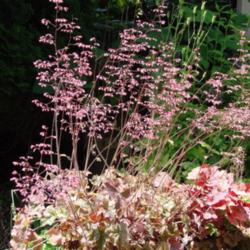
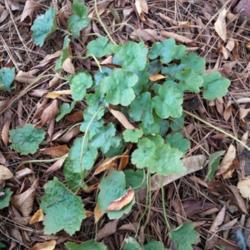
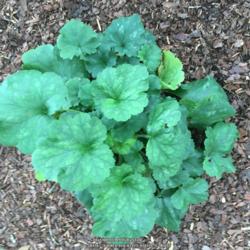
Heuchera (pronounced Hew-ker-ah), also commonly called Coral Bells or alum root, are known and planted mostly for their bright, colorful leaves that bring jewel tones to the garden.

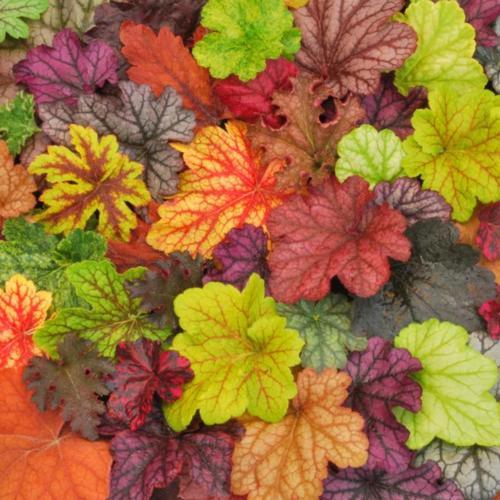
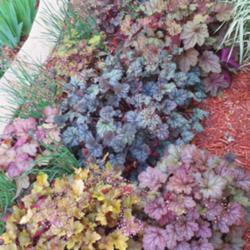
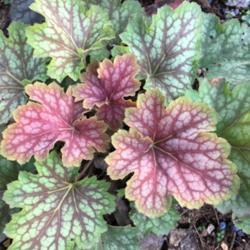
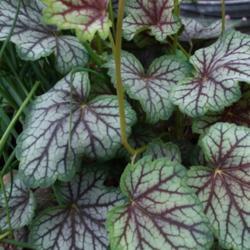
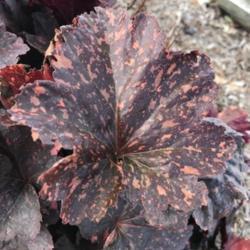
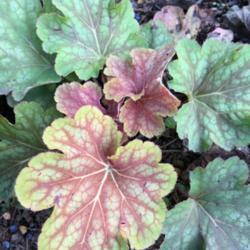
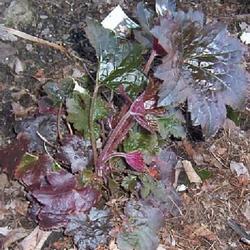
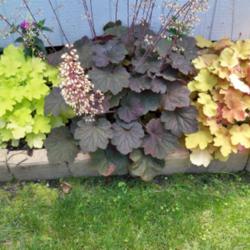
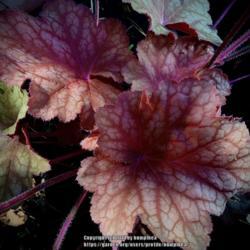
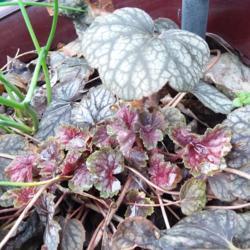
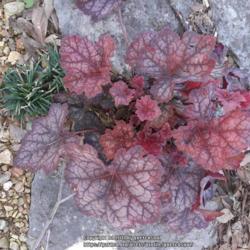
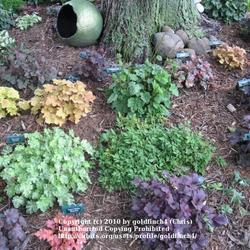
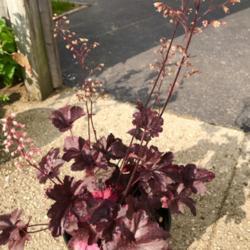
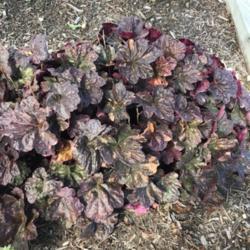
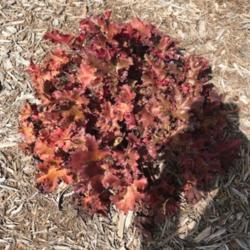
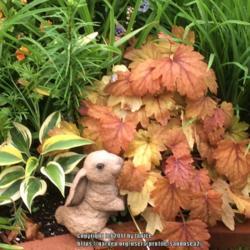
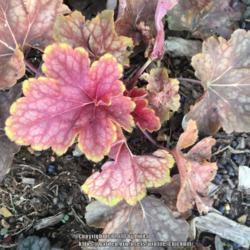
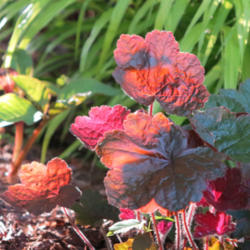
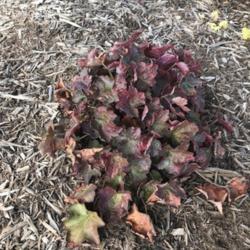
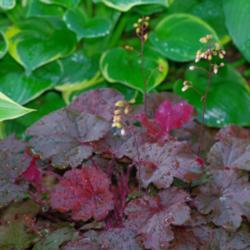
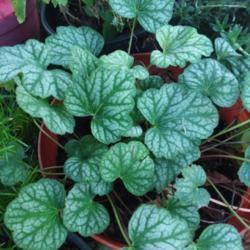
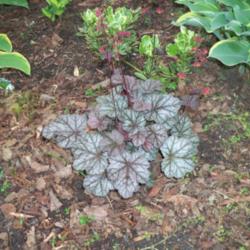
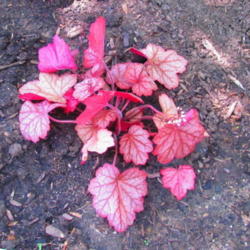
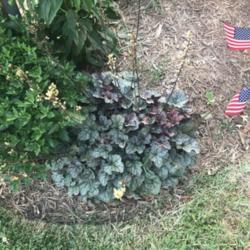
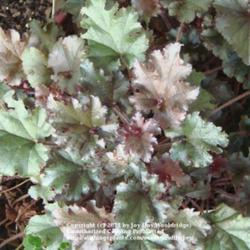
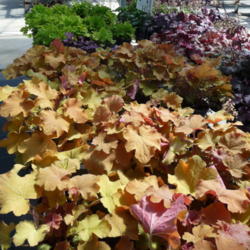
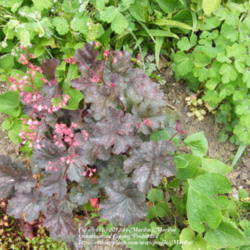
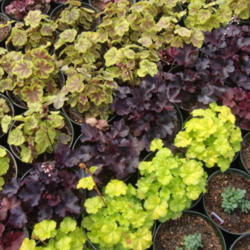
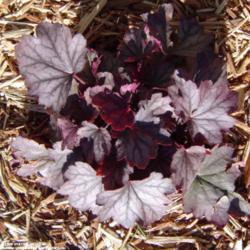
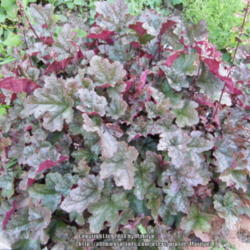
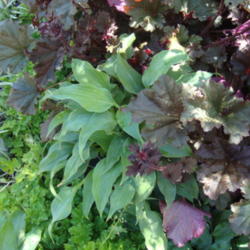
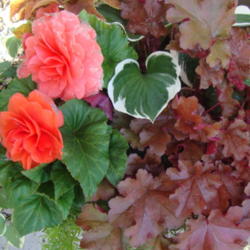
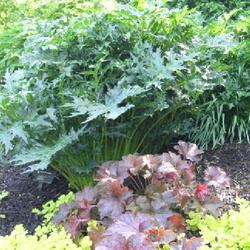
Heuchera range in color from dark purple (almost black) to brown, red, pink, green, bronze, orange and gold. The foliage colors can change throughout the seasons and are also influenced by soil type, weather and the amount of sun or shade they receive.

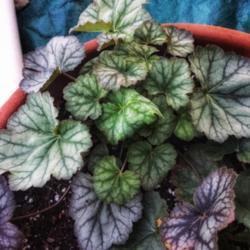
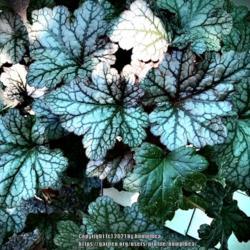
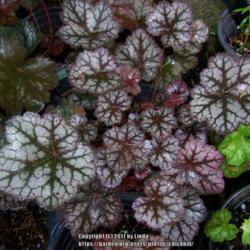
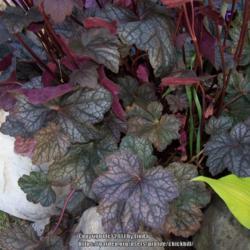
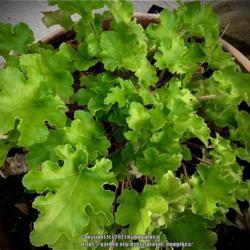
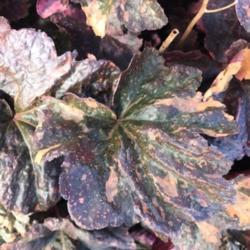
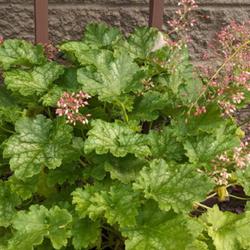
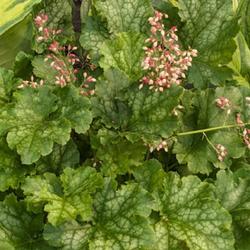
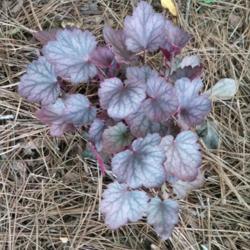
The leaves differ not only in color but in shape and texture as well. Leaves can be round, triangular, heart shaped, ruffled, wavy, smooth, hairy, large or small. They can be a solid color, mottled, bordered, veined or have a silver overlay. There are hybrids that will grow in full sun, and some in full shade.

Most are cold hardy to zone 4 and heat tolerant to zone 9, but some can tolerate zone 3 or zone 10. Each variety has its own unique growing needs so be sure to read their information carefully.

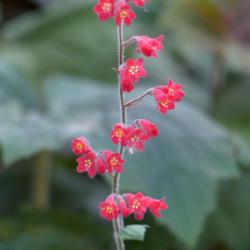
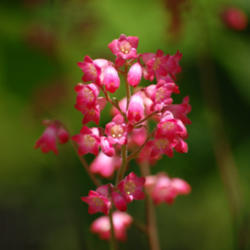
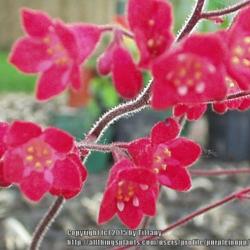
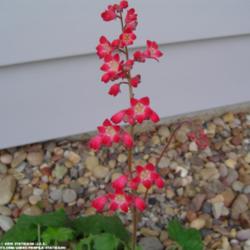
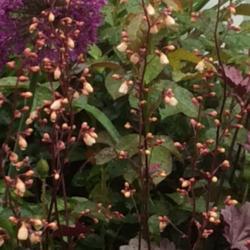
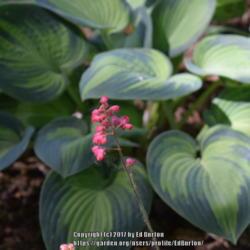
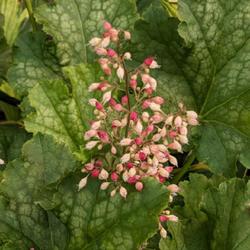
Small bell shaped flowers appear on stalks generally in late spring or summer and are shades of white, pink, red or green.

Some cultivars will bloom throughout the summer. Hummingbirds and butterflies are attracted to the dainty flowers. Plants will benefit from deadheading by cutting the flower stalk off at the base.
Although the flowers can be used as cut flowers, it's the foliage that lasts a surprisingly long time in floral arrangements and provides lively contrasting hues. Just be sure to cut the leaves with stems as long as possible.

Another nice trait is that heucheras are considered deer resistant (not deer proof) as deer will gladly pass them by to look for tastier food.

A partially shaded area with mild morning sun is the ideal growing location. The darker colors are able to take some sun but will need to be provided with more water. Light colored leaves are more susceptible to sunburn and should be protected from the harsh midday sun.

Heuchera grow best in well draining soil that contains lots of organic matter. They like moist soil, but not consistently damp or wet. Once established some can even be quite drought tolerant. Divide them every 3-4 years to keep them from drying out in the center. In cold winter areas the crowns can heave out of the soil and may need to be replanted in the spring. 1-3" of organic mulch can help prevent this and will keep weeds down and moisture in. They'll also benefit from a liquid fertilizer feeding several times during the growing season.

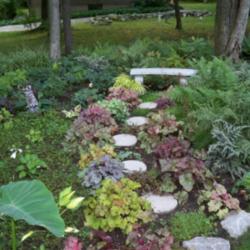
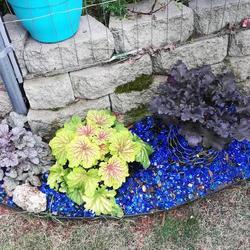
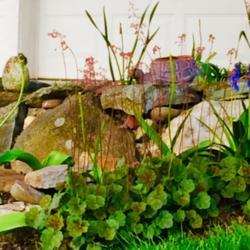
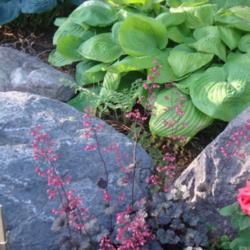
These are great plants for borders and path edges as they are relatively low growers. They perform well in pots, woodland gardens, rock gardens and shade gardens. Some companion plants include other heucheras, hosta, ferns, astilbe, helleborus, ornamental grasses, coreopsis and phlox. Try some of these versatile plants in your gardens or containers for some added color and texture - there is sure to be one to suit everyone's needs.

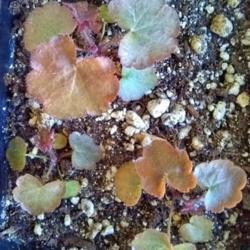
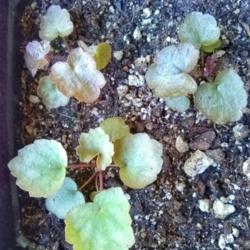
Heuchera Propagation by Leaf Cuttings
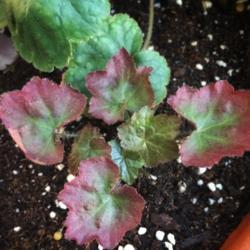
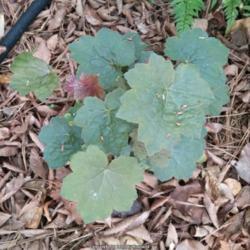
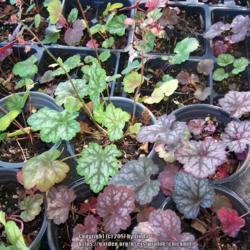
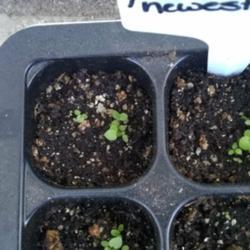
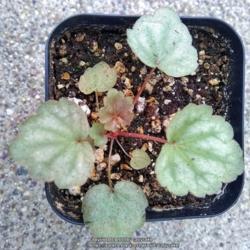
Heuchera from leaf cuttings.

Note: Some plants are patented. Please check to see that the variety of plant you are taking cuttings from is not covered by these patents. This information can be obtained from USPTO (United States Patent and Trademark Office)

If it is a newer heuchera introduction, it is probably patented. Some of these varieties will hit the patent websites in a matter of a few weeks or can take a couple of years.

1. Cuttings can be taken any time of year, however they do better in the Spring when it is cooler. This gives both the mother plant and the new baby plant time to recover and become established before Winter.

2. When removing the leaf cuttings from the mother plant, make sure you find the stem/petiole of the heuchera. It is critical to include this part in your cutting.

3. Remove leaf cuttings with a sharp knife, ensuring part of the stem is included in the cuttings.

4. Dip leaf cutting into a rooting hormone, tapping off any excess.

5. Plant leaf cuttings into a moistened mix of 50/50 perlite and peat moss. ‘Tent’ a clear plastic bag over the cutting, using wooden skewers to keep the plastic off the leaf cutting. Place pot and bag in a shaded area, ensuring cutting receives light, but not direct sunlight.

6. Check cuttings daily to make sure they do not dry out or mold and stay moist. In about 6-8 weeks, roots should start to form. A gentle tug on the cuttings will let you know when roots have started to form.

7. To ensure there are enough roots on the cuttings, wait several weeks after roots have started to form prior to starting process for hardening off cuttings. When completely hardened off, plant out in garden.

I had some discussions with Terra Nova Nurseries regarding this topic. They informed me that the new plants from this type of propagation will not grow very large as this type of propagation does not include any leaf buds. This makes these new smaller plants ideal for containers or to tuck into a small spot in your garden.


Thumb of 2011-12-28/Carolyn22/00bbb2

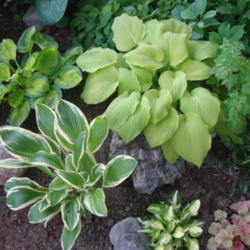
Ginger Peach:
Photo courtsey Terra Nova Nurseries,Inc. www.terranovanurseries.c

Midas Touch:
Image

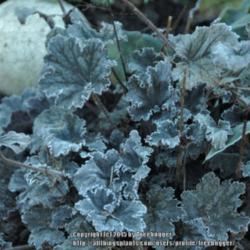
Malachite:
Image

Common names:
Give a thumbs up (0) Coral Bells

Matching plants under this entry:
Heuchera

General Plant Information
Plant Habit: Herb/Forb
Life cycle: Perennial
Leaves: Good fall color
Good growing season color
Semi-evergreen
Uses: Groundcover
Attracts Bees
Attracts Butterflies
Suitable for alpine/rock gardens
Propagation: Other methods: Cuttings: Leaf
Division
Containers: Suitable in 3 gallon or larger
Miscellaneous: Deer Resistant

Photo courtesy Terra Nova Nurseries www.terranovanurseries.com [

Photo gallery:
Location: Northwest NJDate: 2011-07-27
By NJBob - Give a thumbs up (6)
Date: 2009-01-19Photo courtesy Terra Nova Nurseries www.terranovanurseries.com [
By NJBob - Give a thumbs up (3)
Location: Northwest NJDate: 2009-07-18
By NJBob - Give a thumbs up (1)

Comments:
Posted by Marilyn (Hebron, KY - Zone 6a) on May 20, 2013 3:44 AM

Taken from wikipedia's page at: http://en.wikipedia.org/wiki/Heuchera

"The genus Heuchera includes at least 50 species of herbaceous perennial plants in the family Saxifragaceae, all native to North America. Common names include alumroot and coral bells. They have palmately lobed leaves on long petioles, and a thick, woody rootstock. The genus was named after Johann Heinrich von Heucher (1677–1746), an 18th-century German physician.

Alumroot species grow in varied habitats, so some species look quite different from one another, and have varying preferences regarding temperature, soil, and other natural factors. H. maxima is found on the Channel Islands of California, where it grows on rocky, windy, saline-washed ocean shores. H. sanguinea, called coral bells because of its terra cotta-colored flowers, can be found in the warm, dry canyons of Arizona."

[ Reply to this comment | Give a thumbs up (0) ]
Subject Thread Starter Last Reply Replies
heuchera photo springcolor Nov 29, 2011 8:27 PM 5

Subject Thread Starter Last Reply Replies
Heuchera Fantastic springcolor Dec 15, 2011 1:53 AM 4

Related threads from our forums:
Need a primer on Heuchera Heucheras forum
50% off sitewide @ Bluestone Perennials Heucheras forum
Adding plants button isn't working with IE Site Talk forum
Question about heucherella 'Gold Zebra' Heucheras forum
Dividing Heuchs Heucheras forum
What new ones for 2013. Heucheras forum
Heuchera 'Vulcano' or 'Volcano'???? Which is correct??? Heucheras forum
Best Heuchera Combinations Heucheras forum
Annuals for shade Shade Gardening forum
Saving a heuchera/heucherella Heucheras forum

Adding Actions:

» Upload a photo
» Post a comment

« Add a new plant to the database

« Return to the All Things Plants Database